
Seams, flashings, an aging membrane and standing water.
Flat roofs leak at the seams and flashings first, and every membrane ages its own way. The repair starts with what the roof actually needs, not a blanket spec.
Laps, curbs, drains and flashings move with every temperature swing. That is where a flat roof leaks first.
TPO and PVC weather until the scrim shows through. Mod-bit loses its granules, the exposed asphalt bleeds out and alligators, and those cracks turn into leaks, worst at over-mopped seams and weak points.
Water still standing 24 hours after a rain ages the roof fastest and finds every weak spot.
Acrylic or silicone is decided on the roof.
Drainage decides the chemistry. Your IPC technical rep makes the call after the assessment, and both go through the same IPC inspection and warranty process.
For roofs with positive drainage. Cross-linked acrylic with high reflectivity, in white and standard colors.
- Single-ply, mod-bit, BUR and spray foam
- Highest reflectivity for cooling savings
- Pairs with SubSlope in low areas for a hybrid system
For roofs and areas that pond. Silicone holds up to standing water where drainage can’t be corrected.
- Low areas in a hybrid system, or the whole roof when ponding is widespread
- Applied over the same detail work
- Same IPC inspection and warranty process
Six steps, inspected by IPC.
IPC technical support runs from the first assessment to the final inspection, on site or by phone and video as the project needs. The system warranty is issued only after the roof passes IPC’s final inspection.
The contractor, IPC, or both together: core cuts and an infrared survey find wet insulation, which is cut out and replaced. Ponding is checked 24 hours after a rain.
Power wash the whole roof. EPDM is cleaned with IsoClean.
IsoTack on TPO. PVC takes AcryLinkG with no primer; silicone over PVC is primed first. AcryBlock on mod-bit and built-up roofs where asphalt can bleed through.
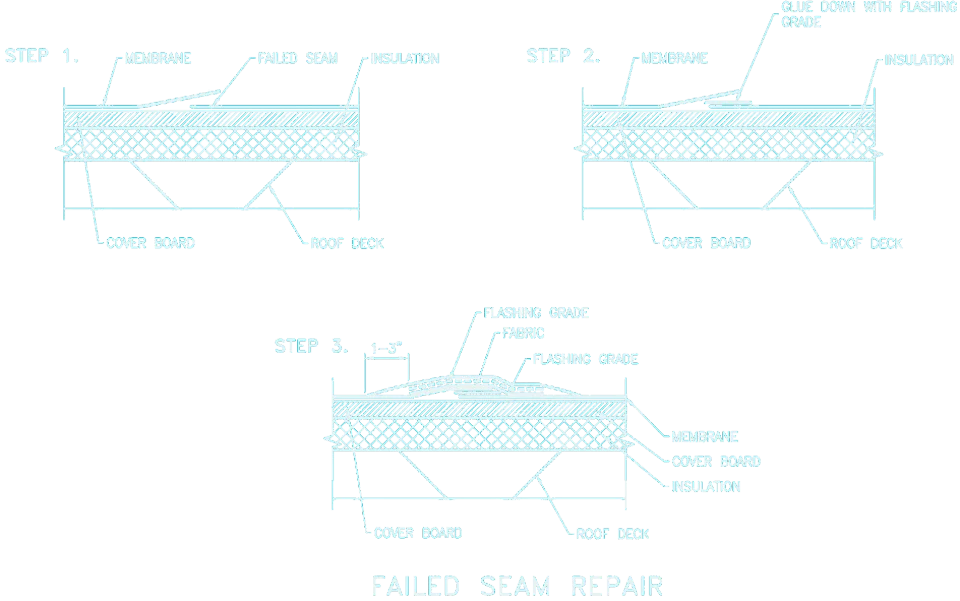
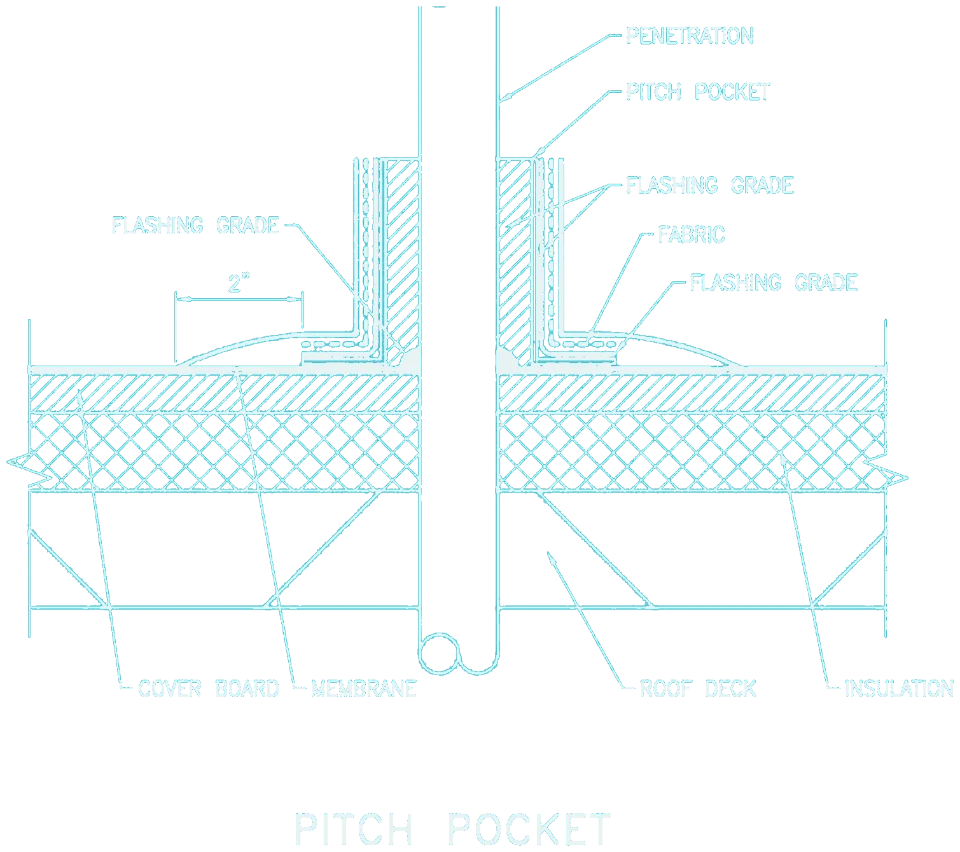
Failing seams, flashings, curbs, drains and penetrations get AcrySeam, or AcryCaulk and fabric. Sound seams are left as they are.
AcryLinkG, SubSlope, or a hybrid with SubSlope in the low areas, installed to the warranty requirements with wet-mil checks as the crew goes.
IPC final inspection, then the system warranty is issued to the owner.
The substrate and the term set the rate.
Total coating applied per 100 sq ft. Your project specification confirms the final rates.
Longer terms available. Warranties require an IPC approved applicator and an IPC final inspection. Open the coverage calculator →
Cross-linked, then reinforced.
AcryLinkG cross-links into one continuous membrane that stretches with the roof, and every seam underneath is reinforced before it goes on.



Membranes restored in place, in every sector.


Straight answers from the manufacturer.
Have a roof in mind? Send photos and our technical department will tell you if it’s a candidate.
Can a single-ply roof be coated?
Yes. TPO, PVC and EPDM roofs that are still attached and dry underneath are restored in place, even once the scrim starts to show. EPDM is cleaned with IsoClean, TPO is primed with IsoTack, and PVC takes AcryLinkG with no primer (silicone over PVC is primed first). A technical review confirms the roof qualifies.
Acrylic or silicone: which one goes on my roof?
Drainage decides. AcryLinkG goes on roofs that drain. If water is still standing 24 hours after a rain, those low areas get SubSlope silicone in a hybrid system. When a high percentage of the roof ponds, IPC proposes a full SubSlope system.
What if the roof has wet insulation?
Wet areas are found with core cuts and an infrared survey, cut out and replaced before anything is coated. Coating over wet insulation is never part of an IPC system.
Will asphalt bleed through on a mod-bit or built-up roof?
Not with the right primer. AcryBlock is applied first on asphalt surfaces to stop bleed-through before the membrane goes on.
Can the building stay in operation?
Yes. Nothing is torn off, and AcryLinkG is water-based and low-odor, so crews work over occupied hospitals, hotels and plants without shutting them down.
What warranty comes with a flat roof restoration?
System warranties run 10, 15 or 20 years, with longer terms available, when an IPC approved applicator installs the system and IPC inspects it.
Is your flat roof a restoration candidate?
Send photos, a core cut or an infrared scan. An IPC technical rep reviews it and comes back with a recommendation and a written specification, at no cost.